In the quiet corners of home jewelry care, a dangerous misconception has taken root—one that promises sparkling results but delivers irreversible damage. For decades, household staples like toothpaste and commercial silver dips have been mistakenly championed as DIY cleaning solutions for precious metals and gemstones. The logic seems sound on the surface: these products are abrasive, accessible, and effective on other surfaces. Yet what works for teeth or tarnished silverware spells disaster for fine jewelry, and understanding why requires peeling back the layers of material science, chemistry, and craftsmanship that make jewelry so vulnerable to well-intentioned errors.
The allure of toothpaste as a jewelry cleaner stems from its whitening properties. Most toothpastes contain mild abrasives like hydrated silica, calcium carbonate, or aluminum oxide—substances designed to scrub away dental plaque without harming enamel. When applied to jewelry, however, these same abrasives become agents of destruction. Precious metals like gold, platinum, and silver are surprisingly soft relative to everyday materials. Even high-karat gold can be scratched by the gritty texture of toothpaste, resulting in a loss of luster and microscopic surface damage that accumulates over time. For gemstones, the consequences are even more severe. Porous organic gems like pearls, opals, and coral absorb toothpaste residues, leading to discoloration and structural weakening. Even harder stones like diamonds or sapphires aren’t immune; toothpaste can lodge itself under prongs or in intricate settings, dulling the stone’s brilliance and loosening its hold.
Beyond abrasion, toothpaste introduces moisture and chemicals into the equation. Many formulas include fluoride, detergents like sodium lauryl sulfate, and flavoring agents—all of which can react with metal alloys. Silver, in particular, is prone to oxidation when exposed to certain chemicals, potentially accelerating tarnish rather than removing it. The moisture in toothpaste can also seep into cracks or glued settings (common in costume jewelry or pieces with delicate inlays), causing adhesives to degrade and components to loosen. What begins as an attempt to restore shine ends up compromising the integrity of the entire piece.
If toothpaste is a blunt instrument, silver dip presents itself as a surgical one—a specialized solution promising to erase tarnish with effortless immersion. Commercial silver cleaners often contain thiourea or other strong acids designed to dissolve silver sulfide (the compound responsible for tarnish) without scrubbing. For pure silverware or decorative items, these products can be effective when used sparingly. But jewelry is rarely pure silver; it’s typically alloyed for strength and often adorned with gems, enameling, or other materials. Immersing a piece in silver dip is like subjecting it to a chemical bath it was never designed to withstand.
The aggressive chemicals in silver dip don’t discriminate between tarnish and desirable finishes. Oxidized silver—intentionally darkened to highlight intricate designs—will be stripped away, ruining the artisan’s intended contrast. Gemstones are equally at risk. Organic materials like ivory, amber, or turquoise can be etched or discolored by acidic solutions. Even robust gems like diamonds may suffer if the dip weakens the metal prongs holding them in place. Perhaps most insidiously, silver dip leaves behind chemical residues that continue to react with the metal, leading to accelerated retarnishing or even pitting. The cycle creates a dependency: the more you use the dip, the more you’ll need it, all while the jewelry deteriorates.
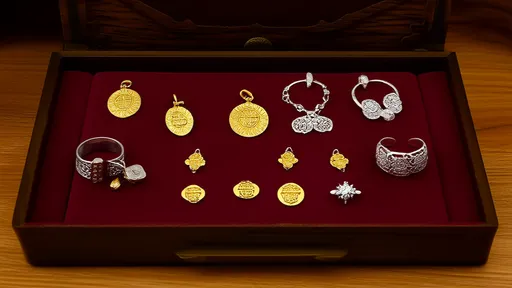
Jewelry isn’t merely functional; it’s a testament to artistry and memory. Heirloom pieces, custom designs, and even mass-produced items carry value beyond their materials. Using harsh cleaners undermines this value by eroding details, altering colors, and weakening structures. The patina on an antique ring or the brushed finish on a modern bracelet can be obliterated in minutes. Once damaged, these features are often impossible to restore without professional intervention—and sometimes not even then.
So what alternatives exist for those seeking to maintain their jewelry at home? The answer lies in gentleness and specificity. A soft, lint-free cloth is often sufficient for removing light oils and dust from most pieces. For slightly dirtier items, a drop of mild dish soap in warm water (followed by thorough drying) can work wonders without abrasion or harsh chemicals. Ultrasonic cleaners—often marketed as home solutions—should be used with caution; they can shake loose stones or damage delicate materials. When in doubt, consulting a professional jeweler is the safest bet. They possess the tools and expertise to clean pieces without compromising their longevity.
The myth of toothpaste and silver dip as jewelry cleaners persists partly because the damage isn’t always immediate. A once-scratched surface might only become noticeable under certain lights; chemical reactions might take months to manifest. But like many things in life, the path of least resistance often leads to hidden costs. Jewelry deserves care that matches its craftsmanship and sentiment. By abandoning household shortcuts in favor of informed, gentle methods, we not only preserve the beauty of our pieces but also honor the stories they carry.
By /Aug 27, 2025
By /Aug 27, 2025
By /Aug 27, 2025
By /Aug 27, 2025
By /Aug 27, 2025
By /Aug 27, 2025
By /Aug 27, 2025
By /Aug 27, 2025
By /Aug 27, 2025

By /Aug 27, 2025
By /Aug 27, 2025

By /Aug 27, 2025
By /Aug 27, 2025
By /Aug 27, 2025
By /Aug 27, 2025
By /Aug 27, 2025
By /Aug 27, 2025
By /Aug 27, 2025
By /Aug 27, 2025
By /Aug 27, 2025
