In the ever-evolving landscape of medical materials science, few advancements have garnered as much attention and acclaim as the integration of titanium and its alloys into the human body. For decades, the quest for the perfect biocompatible material—one that the human body would not just tolerate, but truly accept—has been a primary focus. While stainless steel and cobalt-chromium alloys served their purpose, they often came with a significant drawback: the potential to trigger allergic reactions and inflammatory responses in a notable segment of the population. This has left many individuals, often labeled with "sensitive" or "allergic" constitutions, anxious about necessary medical interventions like joint replacements, dental implants, or bone fixation devices. The emergence of titanium as a premier biomaterial has, quite literally, been a godsend for this group, offering a safe and remarkably compatible alternative. The scientific principles underpinning this compatibility are a fascinating interplay of chemistry, physics, and biology, revealing why titanium has earned its reputation as the "gospel for the allergic constitution."
The journey of a material inside the human body is a hostile one. It is immediately recognized as a foreign object, launching a complex biological response from the host's immune system. The ultimate goal for any implant is to achieve what is known as osseointegration—the direct structural and functional connection between living bone and the surface of the load-bearing artificial implant. For reactive metals, this process is thwarted by the body's defense mechanisms. Ions can leach from the implant's surface, interacting with bodily fluids and tissues. In individuals with sensitivities, these metal ions can act as haptens, binding to native proteins and forming complexes that the immune system misidentifies as foreign pathogens. This triggers a Type IV hypersensitivity reaction, a delayed cell-mediated response. The result is localized inflammation, pain, tissue necrosis, and ultimately, implant failure, requiring revision surgery. This was a common and distressing outcome with older generation alloys, creating a pressing need for a more inert solution.
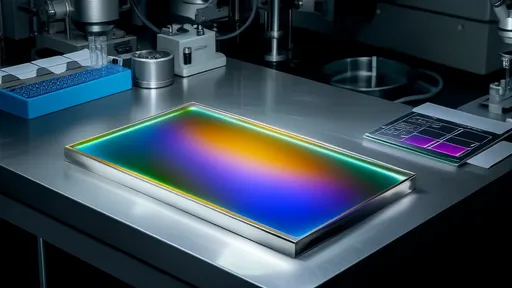
Enter titanium. Its exceptional biocompatibility is not a matter of luck but is rooted in its fundamental electrochemical properties. Titanium occupies a unique position on the galvanic series, exhibiting a highly negative standard electrode potential. In simpler terms, it is a very thermodynamically unstable metal. One might assume this instability would be a disadvantage, leading to rapid corrosion. However, this inherent instability is the very source of its magic. Upon exposure to air, or any oxygen-containing environment like bodily fluid, titanium instantly and spontaneously forms a incredibly thin, dense, and adherent passive oxide layer on its surface. This layer is primarily composed of titanium dioxide (TiO₂), and it is this oxide film, not the bare metal itself, that interacts with the biological environment.
The properties of this TiO₂ layer are nothing short of remarkable. It is highly stable, chemically inert, and insoluble in bodily fluids. This passivation layer acts as an nearly impervious barrier, drastically minimizing the release of titanium ions into the surrounding tissue. The rate of ion release is so exceptionally low that it falls well below the threshold known to trigger allergic or cytotoxic responses in even the most sensitive individuals. Furthermore, this oxide layer is not static; it is "self-healing." If the surface is scratched or damaged, the underlying titanium metal immediately reacts with oxygen to reform the protective layer, ensuring continuous protection and stability throughout the implant's lifetime. This robust corrosion resistance is the first and most critical pillar supporting titanium's hypoallergenic nature.
Beyond merely being inert, the titanium oxide surface plays an active and beneficial role in fostering integration. The surface chemistry and topography of this layer are exceptionally favorable for biological acceptance. The TiO₂ surface is hydrophilic, meaning it has a high affinity for water. This property promotes the rapid adsorption of proteins from blood and tissue fluid in a favorable conformation, creating a natural foundation upon which cells can adhere and proliferate. Crucially, this process occurs without provoking a negative immune response. Osteoblasts, the cells responsible for forming new bone, are particularly adept at colonizing the titanium oxide surface. They adhere, spread, and differentiate effectively, leading to the direct deposition of bone matrix onto the implant—the very definition of successful osseointegration.
The body's immune surveillance cells, such as macrophages, encounter this TiO₂ surface and, finding it non-threatening and non-irritating, often enter a state of tolerance rather than activation. This lack of a chronic inflammatory response is paramount. Instead of walling off the implant with fibrous scar tissue (a process called encapsulation, which signifies failure), the body accepts it and builds bone directly against it. This seamless integration is the hallmark of titanium's success and the reason why it has become the gold standard in fields like dental implantology and orthopedic surgery, where long-term stability is non-negotiable.
For the millions of people worldwide who suffer from metal allergies—often to nickel, cobalt, or chromium, which are common components of other surgical alloys—the adoption of titanium-based implants has been transformative. These patients no longer need to face the daunting choice between enduring a debilitating condition or risking a severe allergic reaction from their treatment. The scientific assurance that titanium offers near-universal biocompatibility provides immense psychological relief and a significantly improved prognosis. Clinical studies and decades of patient outcomes have consistently shown extremely low rates of hypersensitivity reactions to titanium, making it the safest available option. It has democratized access to life-enhancing medical procedures for a segment of the population that was previously considered high-risk.
The narrative of titanium in medicine is a powerful testament to how a deep understanding of material science can directly alleviate human suffering. Its story is not one of a complex, engineered solution, but rather of leveraging a fundamental natural property—the formation of a protective, bio-friendly oxide layer—to achieve miraculous results. This passive layer, a shield only nanometers thick, stands as a silent guardian between the foreign metal and the living tissue, ensuring peace and promoting integration. It is this elegant, innate characteristic that solidifies titanium's status as the ultimate "gospel for the allergic constitution," a biocompatible champion that has restored function and hope to countless individuals.
By /Aug 27, 2025
By /Aug 27, 2025
By /Aug 27, 2025
By /Aug 27, 2025

By /Aug 27, 2025
By /Aug 27, 2025

By /Aug 27, 2025
By /Aug 27, 2025

By /Aug 27, 2025

By /Aug 27, 2025
By /Aug 27, 2025

By /Aug 27, 2025
By /Aug 27, 2025
By /Aug 27, 2025
By /Aug 27, 2025

By /Aug 27, 2025

By /Aug 27, 2025
By /Aug 27, 2025
By /Aug 27, 2025
By /Aug 27, 2025
